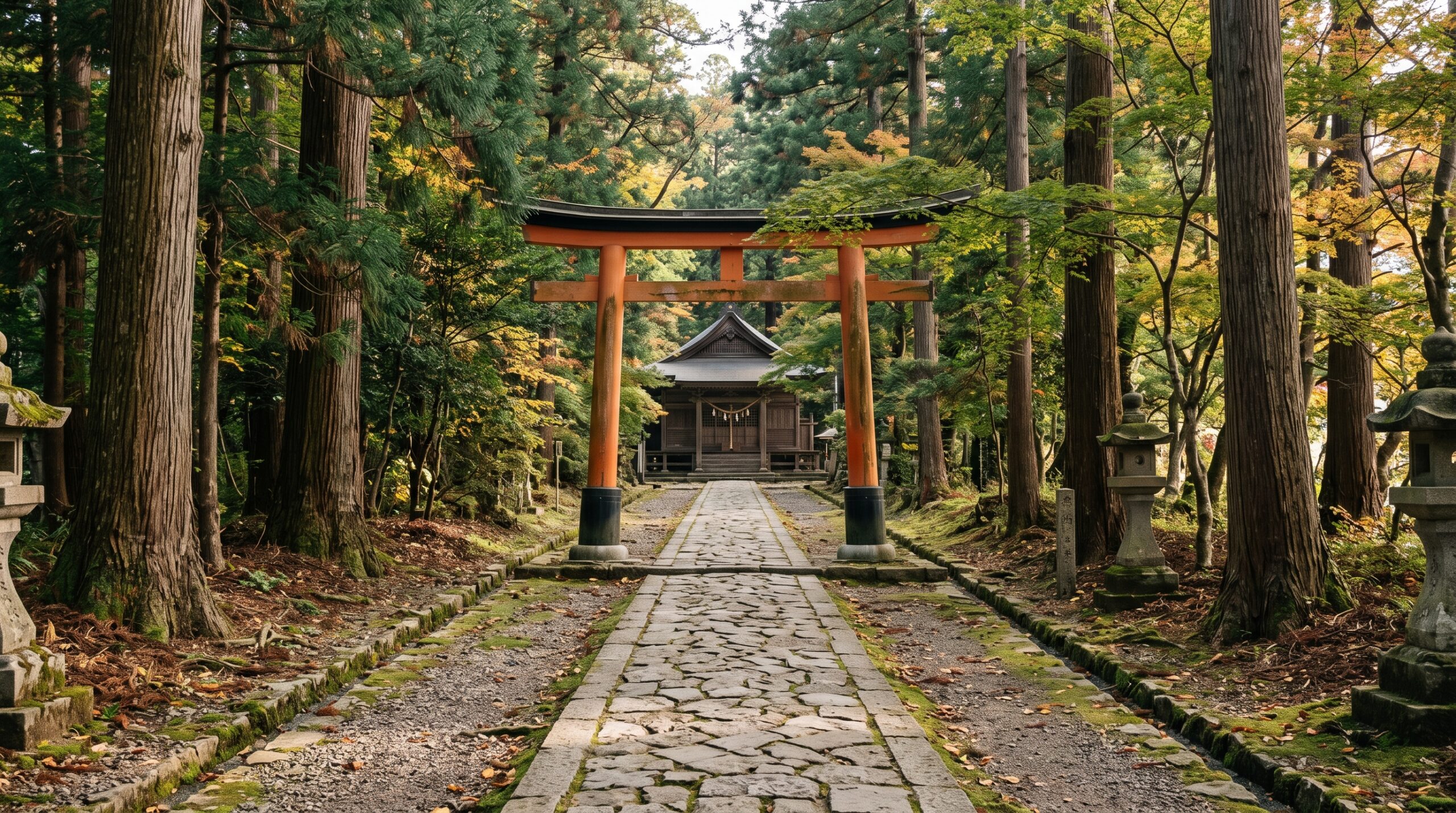
Visiting a Shinto shrine can be a peaceful way to encounter Japanese culture, whether you come to pray, learn, or simply look around. If you have never been to one, the gates, purification basin, and offering area may feel unfamiliar. You do not need to know every custom in advance: move calmly, respect the space, and follow the signs.
This beginner’s guide explains what to expect at a shrine, how a common visit is usually made, and where customs can differ. A shrine is a place of worship, and practices vary by site; posted instructions and shrine staff take priority over any general guide.
Start here: Enter respectfully, use a purification area only if it is open and instructions are provided, and follow the shrine’s own directions at the worship hall. If you are unsure, it is perfectly fine to observe quietly.
- The simple points to remember
- Shrine or temple: what is the difference?
- Step 1: enter the shrine grounds calmly
- Step 2: use the purification basin if it is available
- Step 3: make an offering and pay respects
- Optional customs: omikuji, ema, and omamori
- Photography and respectful behavior
- Frequently asked questions
- A respectful first visit
The simple points to remember
- A torii gate commonly marks the entrance to a Shinto shrine; a temple is a different kind of religious site.
- Walk calmly and keep slightly to one side of the approach where possible; this is a customary sign of respect for the path traditionally regarded as the kami’s path.
- If a temizuya purification basin is available, follow its instructions and do not touch the ladle to your mouth.
- Two bows, two claps, a quiet prayer, and one final bow are common at many shrines, but not universal.
- Offerings are voluntary; no special coin or amount is required.
- Respect signs, barriers, worshippers, and photography restrictions.
Information checked against Japan National Tourism Organization, Jinja Honcho, and Izumo Taisha guidance on September 23, 2026. Shrine practices and on-site rules can differ, so check current local instructions during your visit.
Shrine or temple: what is the difference?
A Shinto shrine is a place for Shinto worship. A Buddhist temple belongs to the Buddhist tradition. A torii gate is a familiar marker at many shrines, while temples often have a gate called a sanmon. These are useful clues, not a substitute for signs: historic sites can include several buildings and traditions in one area.
This article focuses on shrine visits. At a Buddhist temple, do not assume that shrine customs such as clapping apply. Follow that temple’s guidance; visitors generally join their hands quietly rather than clap when paying respects.

I used to think shrines and temples followed the same routine. The first clue is whether the place is Shinto or Buddhist.

Right. At a temple, don’t clap just because you saw that custom at a shrine. Follow the signs for that specific place.
Step 1: enter the shrine grounds calmly
Many shrine approaches begin at a torii gate. Some visitors make a small bow before passing through. At many shrines, the center line of the approach is called seichū and is traditionally regarded as the kami’s path. Walking a little to one side is a customary way to show respect. It is not a strict rule, and Jinja Honcho advises visitors not to let the custom conflict with local shrine instructions or other worshippers. If you need to cross the center, some visitors make a small bow toward the shrine. Keep to the path, make room for others, and follow any route marked by the shrine.
Shrine grounds may be quiet places of worship as well as visitor attractions. Keep your voice low, do not block the approach for photos, and stay out of areas marked private or restricted. You do not need special clothing, but neat, considerate dress is a good choice.
Step 2: use the purification basin if it is available
A water pavilion called a temizuya or chōzuya may stand along the approach. It is traditionally used to rinse the hands and mouth before worship. Some sites may close the basin, remove its ladles, or display a different procedure. If it is not operating or the instructions are unclear, skip it and continue respectfully rather than improvise.
When a ladle and instructions are provided, a common method is to take one scoop of water and use it to rinse one hand, then the other. Pour a little water into your cupped hand to rinse your mouth, and spit it beside the basin rather than back into the water. Then pour the remaining water over your left hand. Never put the ladle directly to your lips. Some sites may give different directions, so follow the posted method.
Step 3: make an offering and pay respects
At the worship hall, look for signs or a marked place to stand. If there is an offering box and you choose to make an offering, place it gently inside. There is no required amount and no particular coin you must use. A bell may be provided nearby; ring it only if it is clearly intended for visitors and the shrine’s instructions allow it.
At many shrines, a common prayer sequence is to bow twice, clap twice, pray quietly with your hands together, and bow once more. This is a common form, not a universal rule: Izumo Taisha, for example, uses two bows, four claps, and one bow. Follow the shrine’s posted method.
You do not have to say a particular prayer aloud. If you prefer not to take part in worship, you can simply remain quiet and observe from an appropriate place without interrupting people who are praying.
Why do visitors bow twice and clap twice?
Bowing shows respect. Jinja Honcho says clapping offers a sincere heart and expresses gratitude for the kami’s protection. The prayer itself is personal.
Optional customs: omikuji, ema, and omamori
You may see omikuji (fortune slips), ema (small wooden plaques for writing wishes), and omamori (protective charms) at a shrine. These are optional parts of a visit, not steps you need to complete. Each shrine may have its own way to receive, use, or return them; read the signs or ask shrine staff if you are unsure.
If you receive an omikuji, follow the instructions printed on it or posted nearby. Some shrines invite visitors to tie the paper at a designated place; others may ask you to take it with you. Avoid tying it to trees or structures unless a specific area is provided.
Photography and respectful behavior
Photography rules differ from shrine to shrine and may change between outdoor grounds and indoor buildings. Look for signs, do not photograph where it is prohibited, and never cross a rope or barrier to get a closer view. Ask before photographing people, especially worshippers and shrine staff. During a ceremony, keep your distance and follow any instructions from staff.
Useful phrase: 写真を撮ってもいいですか? (Shashin o totte mo ii desu ka?) means “May I take a photo?” If you cannot find the rule, asking is better than assuming.
Frequently asked questions
Do I need to be religious to visit a shrine?
No. You can learn about the place or look around respectfully. Participation in prayer and optional customs is your choice.
Does every shrine use two bows and two claps?
No. This is common at many shrines, but methods differ. Izumo Taisha uses four claps, and other local instructions may also vary.
Do I need to put money in the offering box?
No. An offering is voluntary, and there is no required amount or special coin.
What if the purification basin is closed?
Continue without using it. Do not touch stagnant water or use equipment that has been put away; follow any notice at the site.
Can I take photos inside a shrine?
It depends on the location. Check signs and follow staff instructions; some indoor or sacred areas prohibit photography.
A respectful first visit
A shrine visit does not need to feel complicated. Enter calmly, use the purification basin only when it is available and clearly explained, and follow the local method at the worship hall. Most of all, give worshippers space and respect the shrine’s signs. If you are uncertain, quiet observation is a thoughtful choice.
For the general visiting sequence and the difference between shrines and temples, see the Japan National Tourism Organization guide to shrine and temple traditions. Its visitor FAQ also advises visitors to follow posted rules and notes that some sacred areas restrict photography. For the custom of walking to one side of the approach, see Jinja Honcho’s guidance on the shrine approach; for the prayer sequence and its explanation, see Jinja Honcho’s guidance on worship. For a concrete example of a local variation, see Izumo Taisha’s official precinct guide, which explains its two-bow, four-clap, one-bow method.
コメント